The Rich Tapestry of a Traditional Oriental Wedding Dinner
There's a unique magic to a Traditional Oriental Wedding Dinner that transcends mere celebration. It's a vibrant tapestry woven from centuries of tradition, intricate symbolism, and breathtaking aesthetics. For designers, content creators, and entrepreneurs, these ceremonies offer a profound wellspring of inspiration. The visual language—from the bold reds and golds symbolizing luck and prosperity to the delicate patterns on fabrics and tableware—provides a rich palette for creative work. Capturing this essence in design projects isn't just about pretty pictures; it's about communicating depth, cultural respect, and timeless elegance to a global audience.
A Visual Feast: Decoding the Design Elements
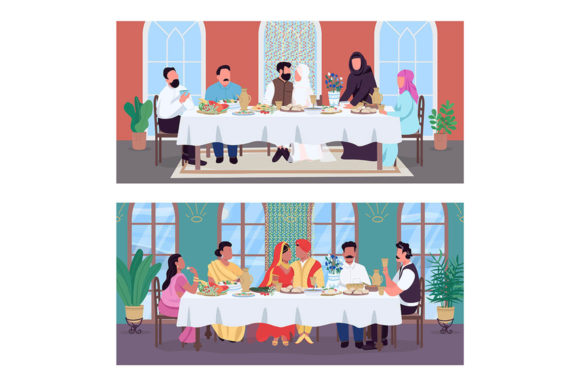
The core appeal lies in a harmonious blend of color, pattern, and form. A Traditional Oriental Wedding Dinner, whether it's an Indian ceremony or a Muslim marriage celebration, is a masterclass in visual storytelling. Think of the intricate mandala designs, the flowing calligraphy of invitations, the layered textiles with their complex weaves, and the ornate home decorations that form the backdrop. These aren't random decorations; each element carries meaning. The paisley motifs, the lotus flowers, the geometric Islamic art—each contributes to a cohesive visual narrative. A well-crafted flat color vector illustration set capturing these elements allows designers to harness this symbolism without resorting to clichés. It provides clean, scalable assets that respect the source material while offering modern flexibility.
From Ceremony to Commerce: Practical Applications
How do you translate the grandeur of a wedding feast into a brand identity or a marketing campaign? The answer is in thoughtful application. This visual style excels in projects where warmth, celebration, and cultural richness are key messages.
- Branding & Logo Design: A boutique event planning service specializing in multicultural weddings, a spice brand, or a luxury fabric house could use motifs from these illustrations to craft a logo that feels both authentic and premium. The font pairing becomes critical here—a elegant serif font for headings might pair beautifully with a clean sans serif font for body text, all complemented by a subtle decorative element from the illustration set.
- Packaging & Merchandise: Imagine tea packaging, artisanal chocolate boxes, or scented candle labels adorned with delicate patterns inspired by traditional home decorations. The vector illustration format ensures crispness on any product, from small labels to large posters.
- Digital & Editorial Design: Social media graphics for a food blog exploring regional cuisines, website headers for a travel agency, or editorial layouts in a design assets magazine can gain instant visual weight and storytelling depth. The characters and scenes become perfect focal points for blog posts or digital products.
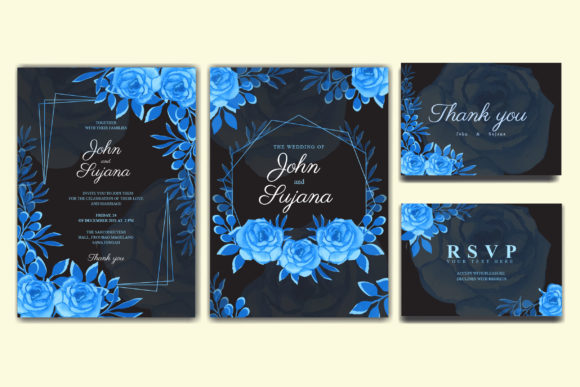
- Print & Invitations: The most direct use is in creating invitations, thank-you cards, or menu designs for actual events. The cultural diversity 2D cartoon characters can add a friendly, approachable yet respectful touch to print materials.
Building Cohesion with Cultural Aesthetics
Using a themed asset collection like this one is a powerful way to achieve visual consistency across a campaign. When every touchpoint—from the logo design to the Instagram story to the packaging—shares a common visual language rooted in a coherent aesthetic, it strengthens brand recognition immensely. A potential customer instantly associates those specific colors, patterns, and styles with your brand's identity and values. This is the essence of building a strong brand identity. The key is to use these assets as a foundation, not a crutch. Select one or two dominant elements (a specific color palette, a recurring motif) and use them consistently across your marketing assets for a professional and unified presentation.
Making it Work: Tips for Seamless Integration
Adopting a culturally rich design style requires a thoughtful approach to ensure it feels authentic and enhances, rather than overwhelms, your message.
- Context is Everything: Research the specific traditions represented. Understanding the symbolism behind a color or pattern allows you to use it appropriately and respectfully, which is especially important for commercial font and design projects targeting diverse audiences.
- Typography as an Ally: The right typeface will elevate the illustrations. A flowing script font might echo the elegance of henna designs, while a bold display font could complement the strength of architectural motifs. Always test font pairings to ensure readability and stylistic harmony.
- Balance and Hierarchy: Let the illustrations breathe. Use them as accents, borders, or background elements, ensuring your core message—whether in a headline or body copy—remains clear. This is crucial for web design and editorial layouts where text must be easily scannable.
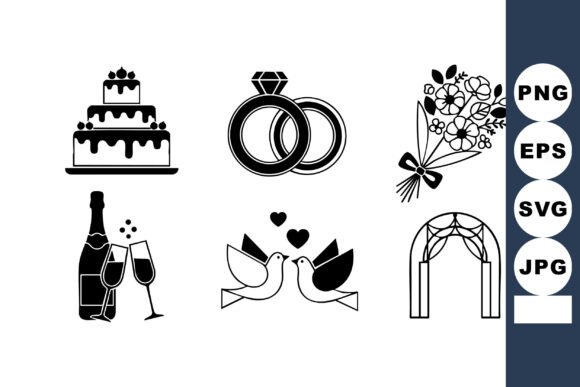
- Review Your Toolkit: A good asset set, like the ZIP file containing EPS, JPG, PNG, SVG, AI files, should offer versatility. Use the scalable SVG for logos and large prints, the high-res JPG/PNG for digital use, and the editable AI/EPS for custom modifications. This flexibility is a hallmark of premium design assets.
Ultimately, the visual world of a traditional wedding dinner is a gift to creatives. It offers a pre-packaged story of joy, community, and heritage. By thoughtfully integrating its elements—whether through a standalone illustration, a carefully chosen creative font, or a full modern typography system—you can create work that resonates on a deeper emotional level. It’s about connecting with an audience through shared human experiences, rendered in a visual language that is both specific and universally understood. The goal is to use these powerful tools to tell your own story with authenticity and flair.