Bringing Romance to Life: The Art of Couple Characters
In the crowded landscape of modern design, where minimalist logos and stark typography often dominate, there is a growing desire for warmth, personality, and genuine emotional connection. We are seeing a shift away from cold corporate aesthetics toward visuals that tell a story and evoke a feeling. For designers, entrepreneurs, and creators working within the lifestyle, wedding, and gifting sectors, this shift presents a unique opportunity. It is no longer just about choosing the right premium font or the perfect color palette; it is about finding visual assets that resonate on a human level. This is where the concept of Romantic Wedding Art for Couples 329 enters the conversation, offering a distinct, character-driven approach to celebrating love.
More Than Just Cute Designs
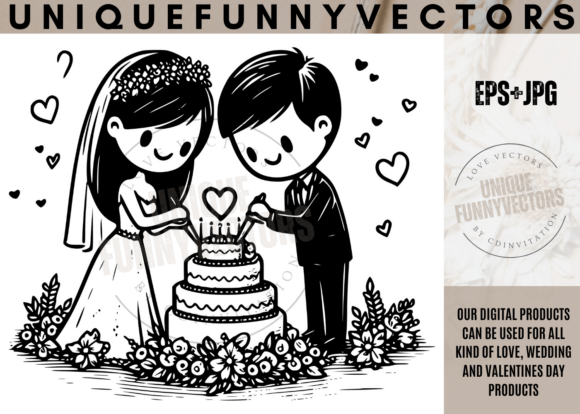
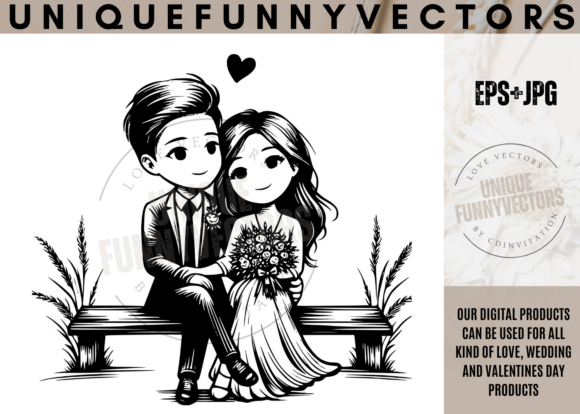
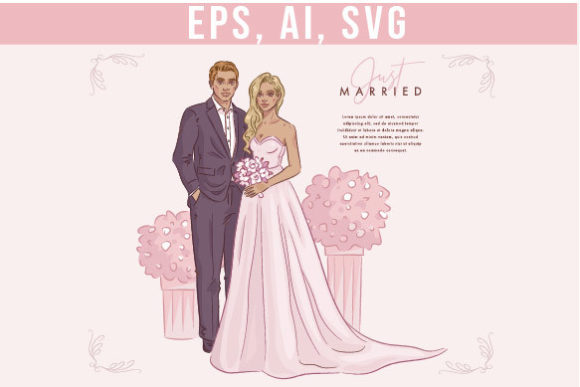
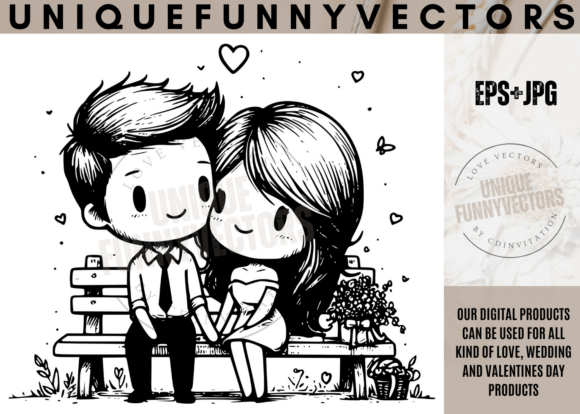
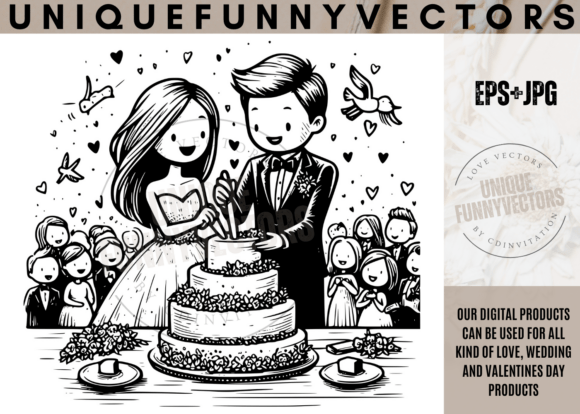
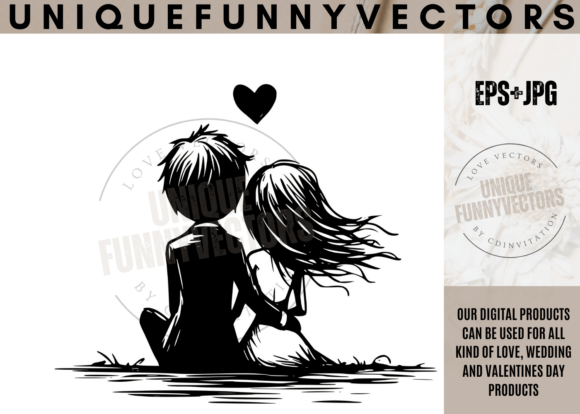
When we talk about "Romantic Wedding Art," many people immediately picture traditional watercolor florals or elegant script typefaces. While those elements have their place, the specific appeal of character-based art lies in its ability to personify the couple themselves. These adorable, love-filled cartoon characters are more than just cute designs—they are the perfect embodiment of the emotions that make life special. They act as visual anchors for a brand or a project, giving the audience an immediate point of relatability.
Visually, this style of art relies on soft lines, expressive faces, and a sense of intimacy. Unlike abstract shapes, characters convey narrative. A simple illustration of two figures holding hands or sharing a moment communicates "wedding," "anniversary," or "love" instantly, often faster than text can. For a small business owner selling handmade goods or a content creator building a lifestyle brand, this visual shorthand is invaluable. It creates an instant emotional bond with the viewer, which is a critical component of effective branding and audience engagement.
Transforming Wedding Stationery and Events
The most obvious application for this type of art is within the wedding industry, but the scope is much broader than standard invitations. Consider the journey of a couple planning their event. It starts with the engagement and ends (or rather, begins) with the thank-you cards. Romantic Wedding Art for Couples 329 can serve as the visual thread that ties this entire journey together.
Imagine a cohesive design system where the couple characters appear on the Save-the-Date cards, evolve slightly on the formal wedding invitations, and then make a playful appearance on the wedding website. This consistency strengthens the visual identity of the event. Beyond paper goods, these characters are perfect for wedding cake toppers, adding a personalized whimsy that photographs beautifully. They can be printed on wedding party favors, such as stickers for candy jars or custom labels for wine bottles, ensuring that the guests take home a piece of the couple’s personality.
Furthermore, the utility extends to the bridal party itself. We are seeing a rise in personalized apparel. Using these character designs on bridal party t-shirts, hoodies, or tote bags creates a unified look for the bachelorette party or morning-of preparations. It transforms generic merchandise into a keepsake. Even functional items like wedding programs and guest books benefit from this approach, moving away from stiff formality toward a more relaxed, joyful atmosphere.
From Digital Assets to Tangible Keepsakes
For the digital creator or marketer, the versatility of this art style is a significant asset. In the realm of social media, standing out is difficult. Generic stock photos of rings and champagne flutes are overused. However, using unique character art for social media profile photos, cover photos, or Instagram stickers creates a distinct brand voice. It makes a feed feel curated and intentional. For couples creating a dedicated hashtag for their wedding, having a matching character graphic helps brand that hashtag visually.
Beyond the screen, this art style translates seamlessly into merchandise and home decor. Think about the market for anniversary gifts or Valentine’s Day presents. A generic "I Love You" mug is nice, but a mug featuring a specific character style that a couple has come to identify with is much more personal. This applies to love-themed home decor as well—throw pillows, blankets, or framed art prints featuring these characters can become staple items in a couple's home, serving as daily reminders of their bond.
There is also a niche but growing market for customized phone cases, personalized keychains, and stationery. For a print-on-demand business, incorporating Romantic Wedding Art for Couples 329 allows for the creation of products that feel bespoke without the high cost of custom illustration for every order. The characters provide the structure; the personalization (names, dates) provides the sentiment.
Integrating Character Art with Typography
A common challenge for designers is balancing illustrative elements with typography. How do you pair a playful character with a premium font without them clashing? The key is to treat the art and the text as partners in a visual hierarchy. If the character art is detailed and expressive, the typography often needs to be cleaner to ensure readability.
When selecting a typeface to accompany these romantic characters, consider the mood you are setting. A modern, clean sans serif font can provide a contemporary contrast to the sweetness of the characters, keeping the design from feeling too juvenile. Conversely, a flowing script font or handwritten font can enhance the romantic, organic feel, provided it remains legible at smaller sizes.
For branding purposes, consistency is paramount. If you are a stationery designer using these characters, establish a font pairing early on. Use one font for headlines and another for body copy, and stick to it across all platforms—from your web design to your packaging design. This creates a professional presentation that builds trust with your audience. It signals that you have a cohesive visual identity, which is essential for anyone selling creative services or products.
Practical Tips for Commercial Use
For designers and entrepreneurs, the aesthetic appeal is only half the equation; the practical application is what drives business. When incorporating Romantic Wedding Art for Couples 329 into your workflow, consider the following practical advice:
- Scalability: Ensure the art files are high-resolution. Whether you are printing a large wedding banner or scaling down for a social media sticker, the lines need to remain crisp. Vector formats are ideal for this, as they allow infinite resizing without loss of quality.
- Color Theory: While the art may come in specific colors, look for assets that are easily customizable. You might need to match the characters to a specific wedding palette or a brand’s brand identity colors. The ability to change hair colors, outfits, or skin tones is a massive plus for inclusivity and versatility.
- Commercial Licensing: This is the most critical step. Before using these assets on products for sale—whether it’s a custom wedding ring box design or editorial layouts for a magazine—verify the license. Most design assets intended for commercial use will have clear terms, but always double-check if the license covers print-on-demand or mass production.
- Contextual Testing: Don't just place the art on a white background. Test it against different textures and colors. Does it look good on a honeymoon luggage tag? Does it work on a dark background for a digital product like a Zoom background? Contextual testing ensures the asset works in the real world, not just in a mockup.
Creating Lasting Memories Through Design
Ultimately, the goal of using Romantic Wedding Art for Couples 329 is to enhance the emotional resonance of a project. Whether you are a small business owner curating a gift shop, a content creator building a romantic aesthetic on Pinterest, or a graphic designer working on a client’s wedding suite, these characters offer a way to inject genuine warmth into your work.
They move beyond the functional aspect of design—which is often just to inform—and enter the realm of storytelling. By choosing visuals that reflect the joy, intimacy, and playfulness of love, you are not just making something look "cute." You are creating a tangible representation of a feeling. You are helping couples visualize their future, helping brands connect with their audience on a deeper level, and ultimately, turning ordinary objects into cherished keepsakes. In a world that often feels fast-paced and impersonal, that kind of thoughtful design is truly special.